Français
The language of Proust, Colette, and the light over the Seine at dusk.
Learn it the way it was always meant to be felt, by letter.
“Une lettre écrite en français est une lettre deux fois pensée.” A letter written in French is a letter thought twice over.
A language forged in precision, warmth, and centuries of thought
French is spoken by over 320 million people across five continents, the fifth most spoken language in the world and the second most widely learned foreign language after English. It is the official language of 29 countries and a working language of the United Nations. Its influence on international law, diplomacy, literature, and cuisine has lasted four hundred years.
The language descends from the Vulgar Latin spoken in Gaul, gradually becoming Old French, then the Classical French of Racine, Molière, and Descartes, who chose French over Latin for the Discours de la méthode, shifting the centre of European intellectual life. The Académie française, founded in 1635, has since stood watch over the language's purity.
There is a particular quality to written French that spoken French does not replicate: the silence of the written language. French is full of letters that are not pronounced, of accents that carry weight on the page. A letter slows all of this down, making you attend to the shape of the language as a visual object, not merely an acoustic one.
France has perhaps the richest epistolary tradition of any nation. From the witty letters of Mme de Sévigné, which established a new standard for intimate prose style, to the philosophical correspondence of Voltaire, to the wartime letters of Antoine de Saint-Exupéry, the French letter has always been both a private document and a literary form.
Three reasons French comes alive on the page
The silent letters speak volumes
French orthography is not a transcription of sound; it is a record of history. Silent letters trace etymology and mark grammatical agreements. A letter forces you to attend to this visual dimension of the language and to develop the refined spelling sense that marks a true writer in French.
Register is an art form
French distinguishes between tu and vous with social precision that English collapsed centuries ago. The choice in a letter is never neutral; it signals the nature of a relationship. Learning this through correspondence teaches you not grammar, but culture.
The subjunctive is alive
Where English has nearly abandoned the subjunctive, French uses it freely, after verbs of feeling, willing, doubting, fearing. Bien que tu sois loin (although you are far away). In a letter, you encounter these constructions as expressions of real feeling, not textbook exercises.
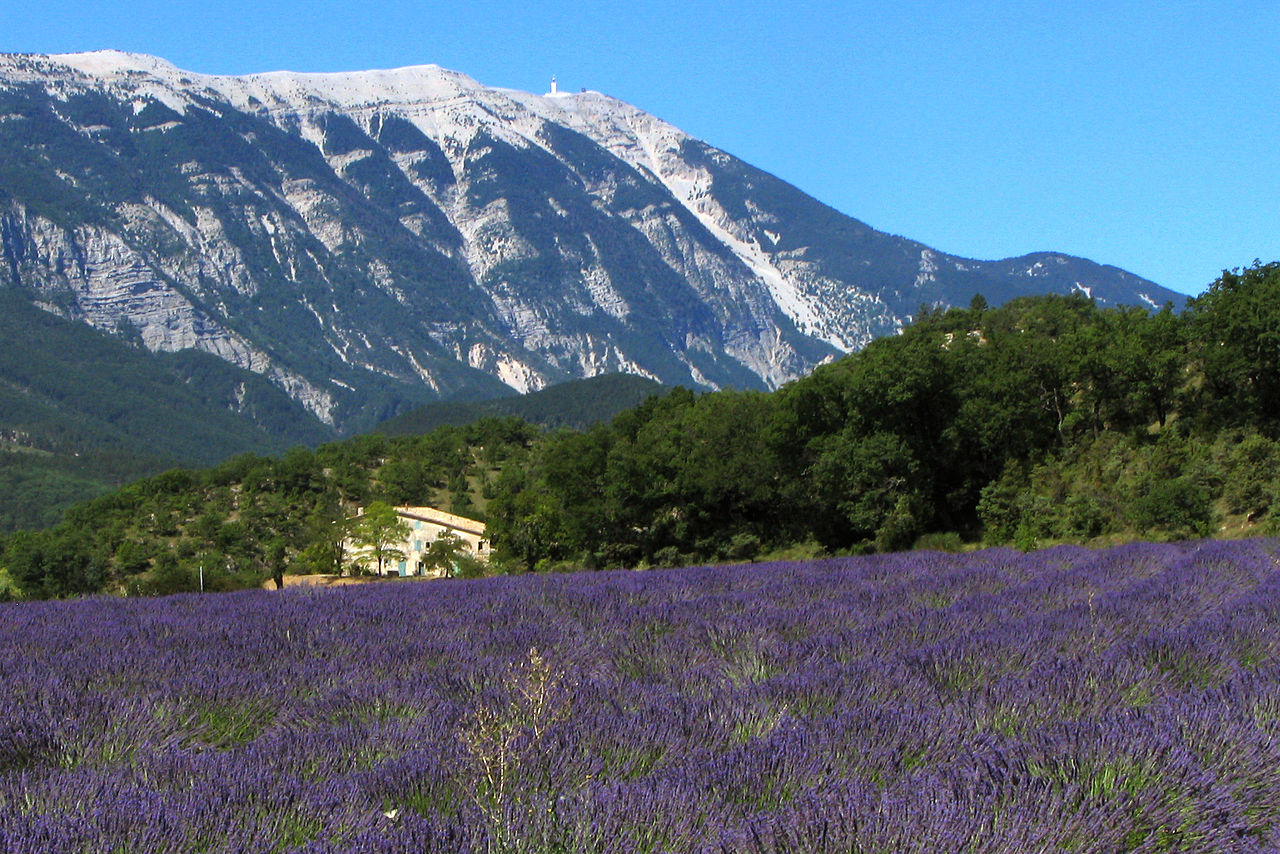
Landscapes worth writing home about
A glimpse of where your letters will take you, in words and in imagination.



Simple, honest
plans.
No hidden fees. No auto-upsells. Just a letter in the post, as often as you'd like.
Cancel anytime. Keep your letters forever.
French correspondence: opening soon
We are finding the right teacher for this language. Leave your email and be among the first to know when French correspondence opens.
In the meantime, explore Italian correspondence, available now.