Deutsch
The language of Goethe, Rilke, and Kant, built for nuance, made for thought.
Learn it the way it rewards most: slowly, in writing, by letter.
“Briefe gehören unter die wichtigsten Denkmäler, die der einzelne Mensch hinterlassen kann.” Letters are among the most important monuments a person can leave behind. (Goethe)
A language built for nuance, structure, and centuries of thought
German is the most widely spoken native language in the European Union, with around 135 million speakers worldwide. It is the official language of Germany, Austria, and Liechtenstein, and one of the official languages of Switzerland, Luxembourg, and Belgium. For two centuries it was the working language of philosophy, science, and music, the tongue in which Kant, Hegel, Einstein, and Beethoven shaped the modern mind.
The language was standardised by Martin Luther's 1534 Bible translation, which did for German what Dante did for Italian, forging a literary standard from a patchwork of regional speech. From there came the Weimar classicism of Goethe and Schiller, the Romantic tales and letters of the Brothers Grimm, and the philosophical prose that still sets the terms of modern thought.
German is a language you can watch thinking. Its long compound words assemble meaning like architecture; its four cases mark the exact role of every noun; its verbs often wait until the end of the sentence, so that a German clause is held in suspension until its final word resolves it. A letter is the ideal place to learn this, because only in writing can you build, and read, a sentence as a complete structure.
Few languages have so literary an epistolary tradition. Rilke's Letters to a Young Poet remains one of the most beloved books ever written in the form; Goethe's correspondence fills volumes; the letters of Kafka and Bonhoeffer are read as literature in their own right. To write a German letter is to step into that tradition.
Three reasons German comes alive on the page
The sentence is an architecture
German word order sends the working verb to the end of many clauses, so a sentence is built like a structure that resolves only at its final word. You cannot truly feel this in speech, where it rushes past, but in a letter you can compose it, hold it, and read it whole. Writing is where German grammar becomes visible.
Compounds are made, not memorised
German builds new words by joining old ones, Fernweh, Sehnsucht, Zeitgeist. This is not vocabulary to be looked up but a logic to be learned, and the slow pace of a letter is where you begin to assemble meaning yourself rather than merely recognise it.
The cases mark every relationship
Nominative, accusative, dative, genitive, German marks the role of every noun through four cases, on the article and often the ending. In writing you must choose each one deliberately, and that deliberation is exactly how the system turns from a table you memorise into an instinct you own.
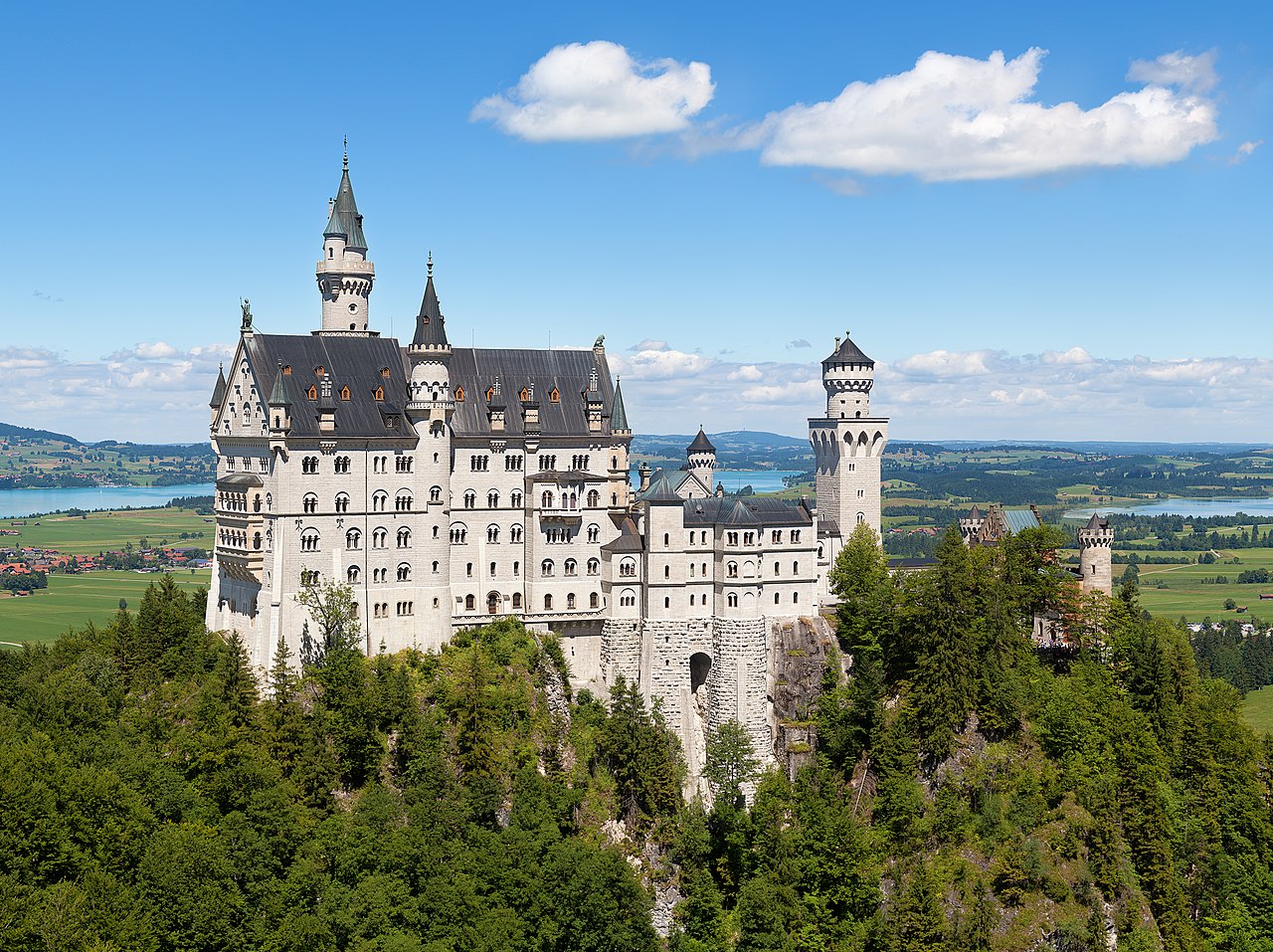
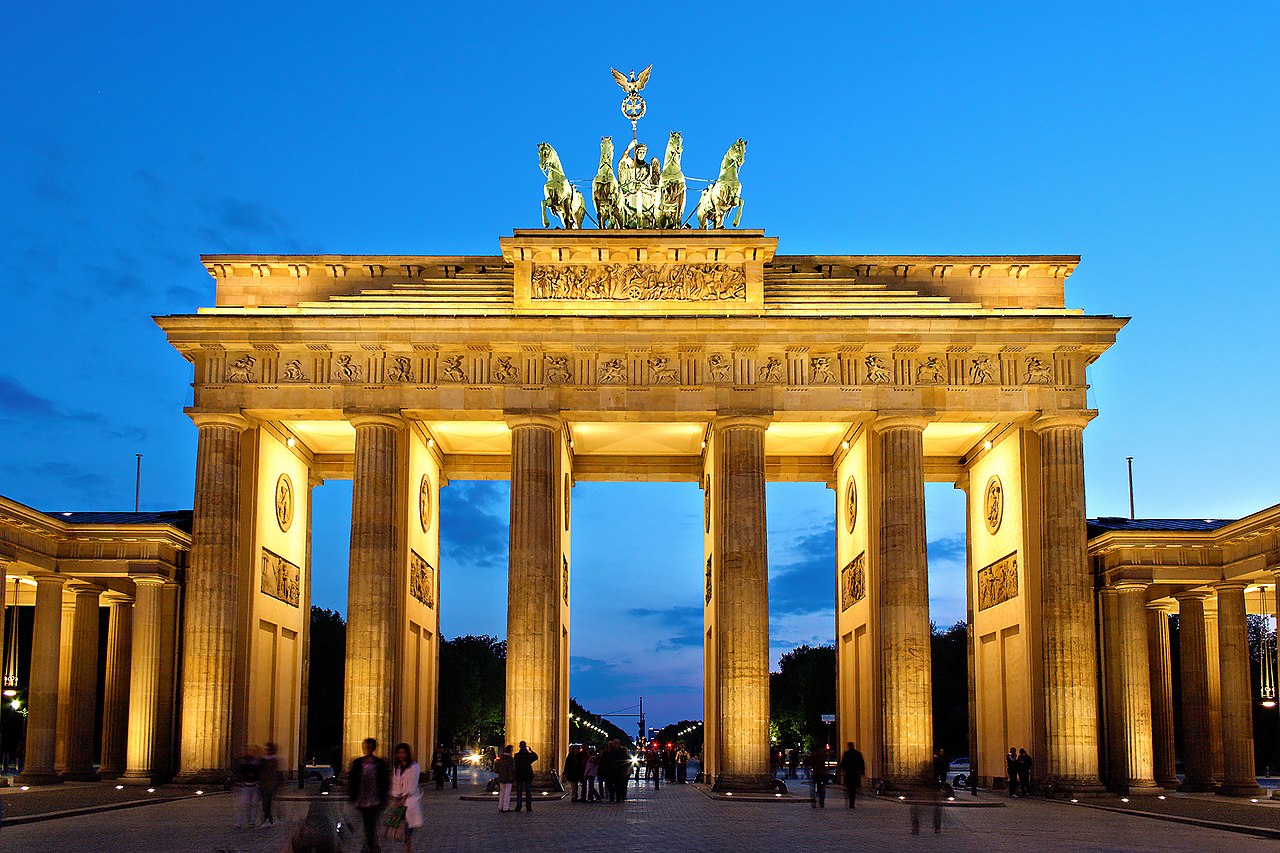
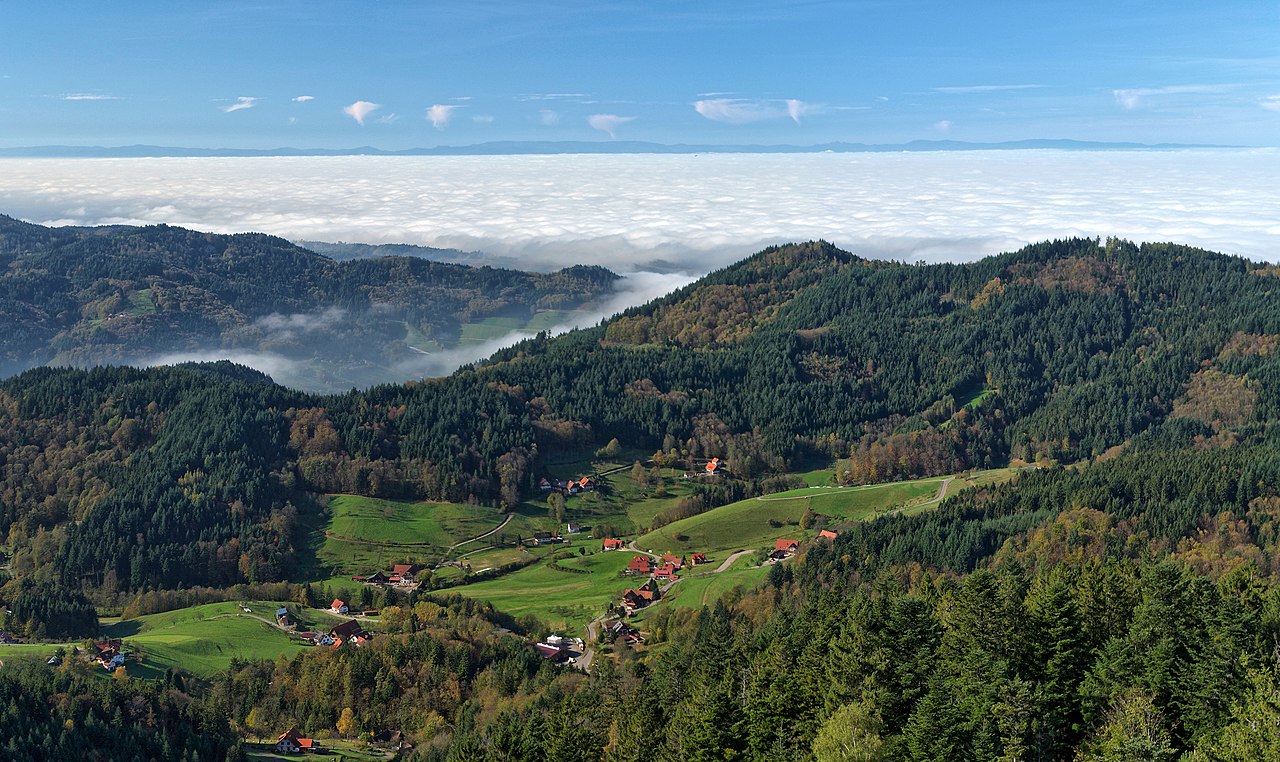
Landscapes worth writing home about
A glimpse of where your letters will take you, in words and in imagination.


Simple, honest
plans.
No hidden fees. No auto-upsells. Just a letter in the post, as often as you'd like.
Cancel anytime. Keep your letters forever.
German correspondence: opening soon
We are finding the right teacher for this language. Leave your email and be among the first to know when German correspondence opens.
In the meantime, explore Italian correspondence, available now.