Printable PDF · Italian · B1
The Four Tenses of the Italian Subjunctive
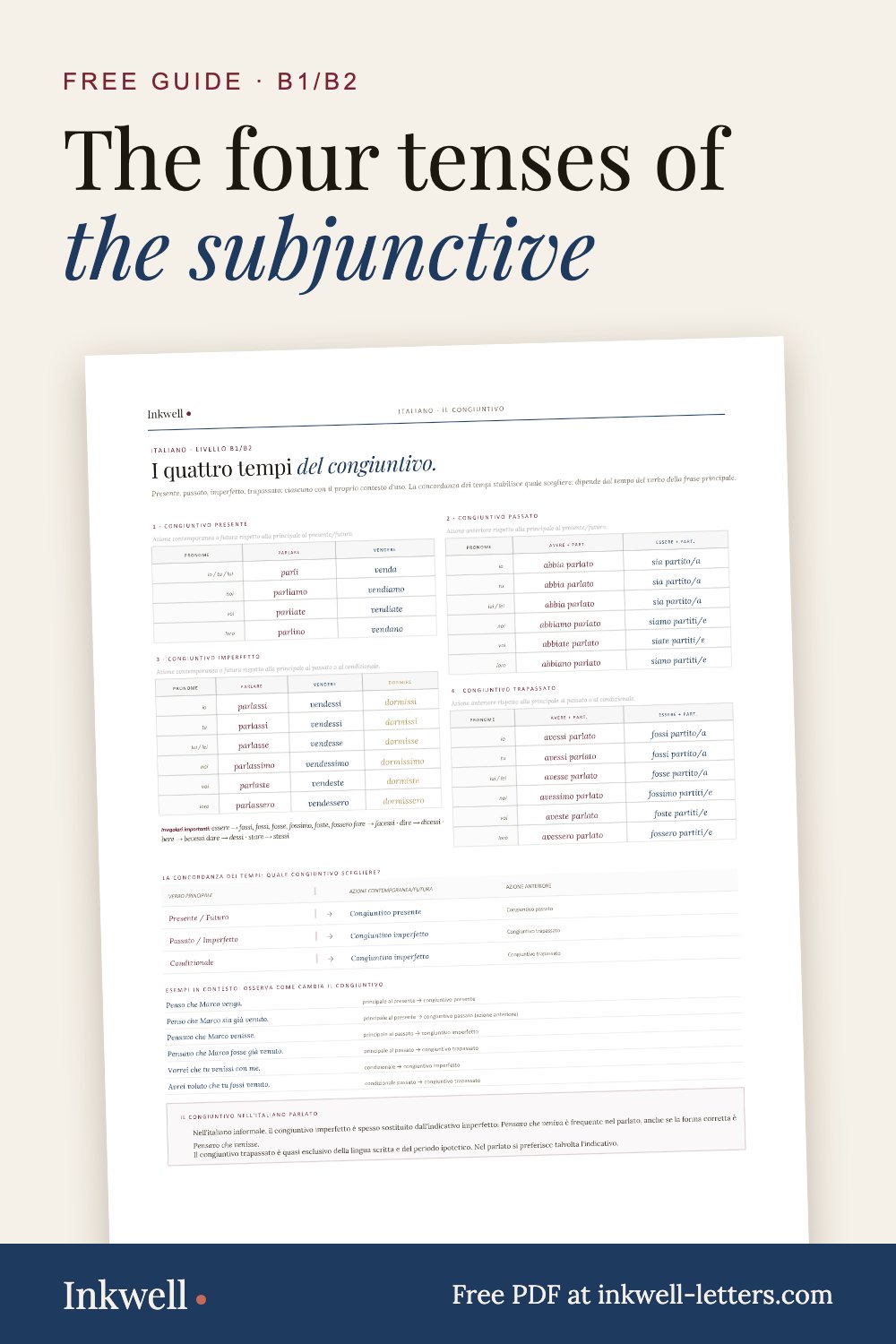
A free B1/B2 guide to the four tenses of the Italian subjunctive: present, past, imperfect and pluperfect in full, the sequence of tenses that decides between them, and six examples in context.
Leave your email once and every worksheet on the Dispatch unlocks on this device. We’ll also send you new worksheets and articles. Unsubscribe at any time.
Once you know when to use the subjunctive, the next question is which one. Italian has four tenses of it, and the choice depends on the verb in the main clause. This guide sets out all four and the rule that connects them.
What’s inside
- Congiuntivo presente and passato: parli, venda; abbia parlato, sia partito/a
- Congiuntivo imperfetto and trapassato: parlassi, vendessi, dormissi; avessi parlato, fossi partito/a
- Key irregulars in the imperfect: fossi, facessi, dicessi, bevessi, dessi, stessi
- The sequence of tenses (concordanza dei tempi): which subjunctive follows a present, a past or a conditional main verb, for a simultaneous or an earlier action
- Six examples in context, from Penso che Marco venga to Avrei voluto che tu fossi venuto
- A note on spoken Italian, where the imperfect subjunctive is often replaced by the indicative
How to use it
- Learn the imperfect subjunctive of essere (fossi, fosse) first. You’ll need it in se clauses: Se fossi in te...
- Study the sequence-of-tenses grid until you can say it without looking.
- Read the six examples and name the main verb’s tense each time.
- Write two sentences about your past plans: Pensavo che...
An example in Italian
Pensavo che la lettera fosse già arrivata.
(I thought the letter had already arrived.)
Pensavo is in the past and the arrival came earlier, so the subjunctive is the trapassato: fosse arrivata.
Who it’s for
B1 and B2 learners who know the present subjunctive and want the whole system. To use it in letters a native teacher corrects, you can learn Italian by letter.
More free worksheets
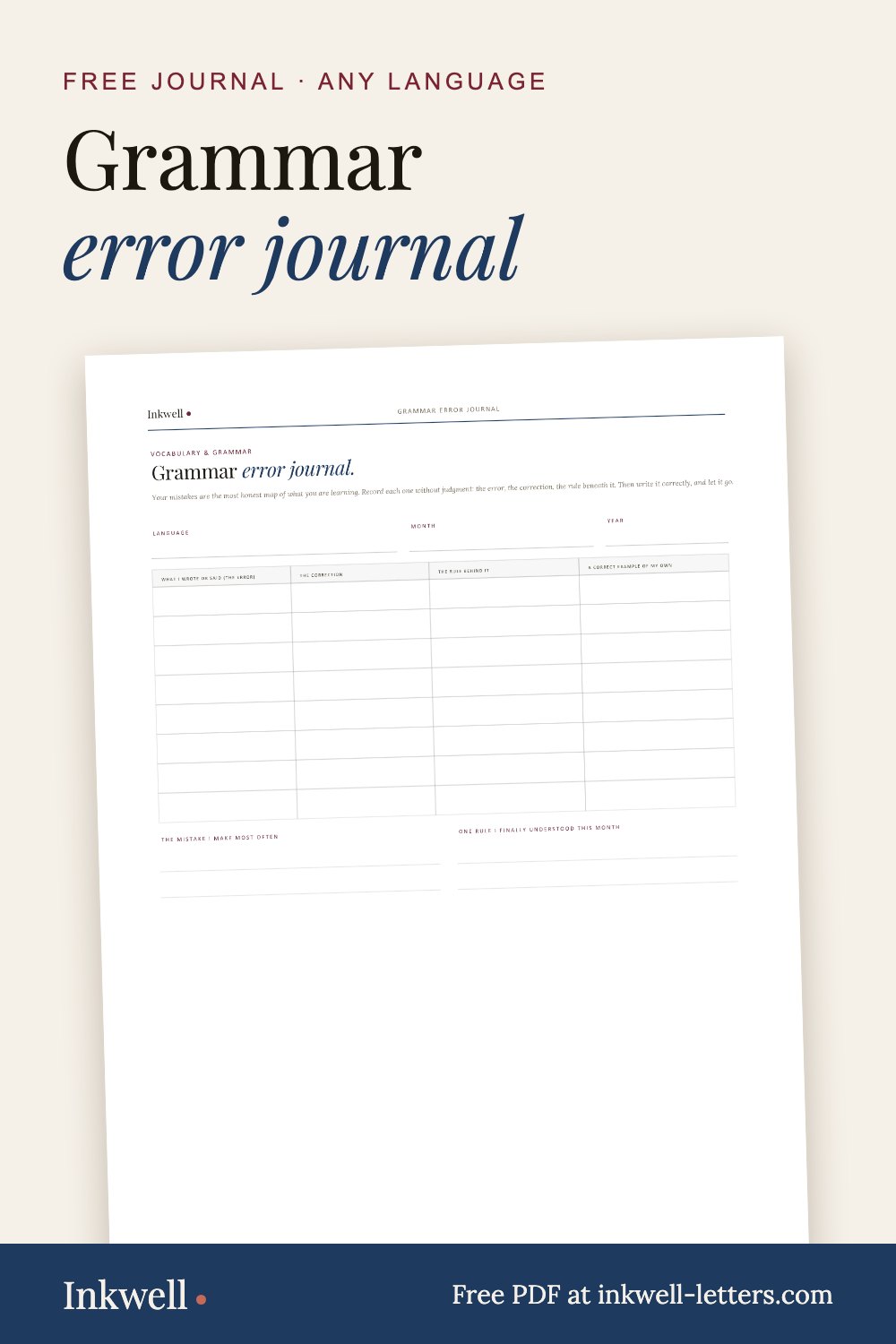 Grammar Error Journal: Learn From Your MistakesJournal, any language
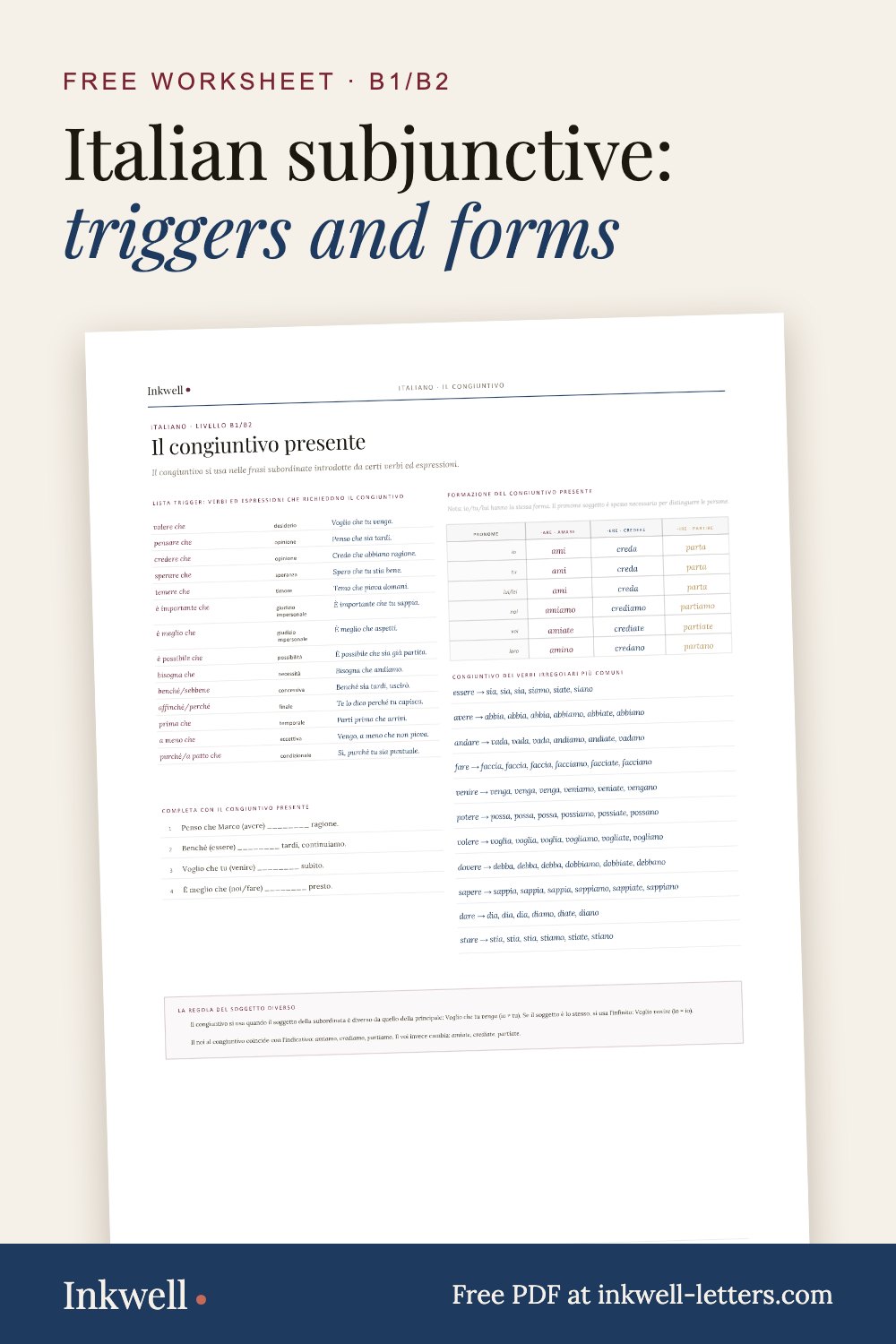 The Italian Present Subjunctive: Triggers and FormsWorksheet, Italian
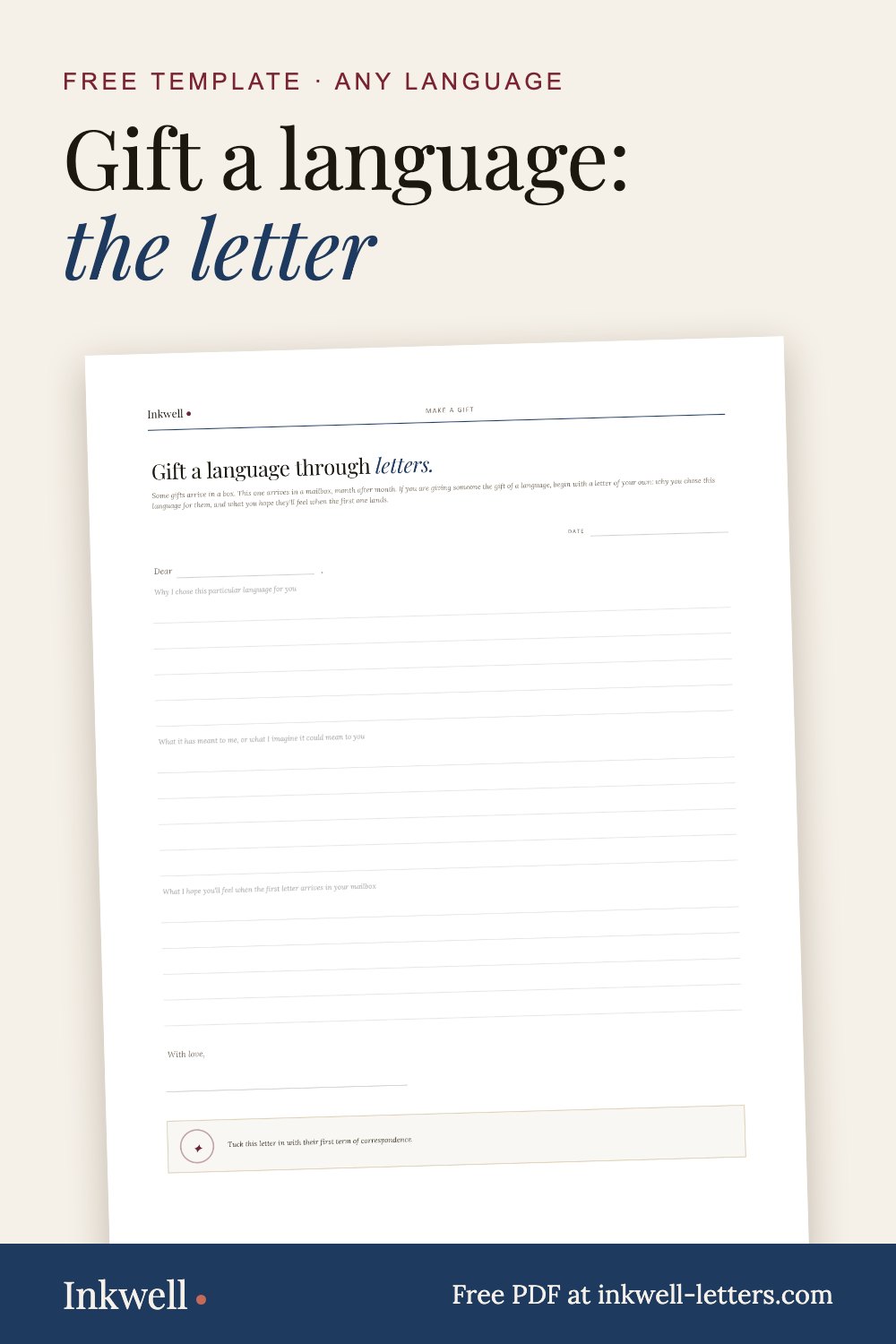 Gift a Language: A Letter to Go With the GiftTemplate, any language
 Il Condizionale: The Italian Conditional for Wishes, Hypotheses and PolitenessGuide, Italian
 Grammar Notes Template: One Rule per PageTemplate, any language
Comments